How to Paint by Numbersa beginner's guide
Everything you need for your first painting: the right supplies, the best order to paint in, crisp edges, and how to get a template onto canvas. Plus: how to turn your own photo into a free paint-by-numbers template.
Free · No account · Your photo stays on your device · PDF from A4 to A0

Family: Photo
How paint by numbers works
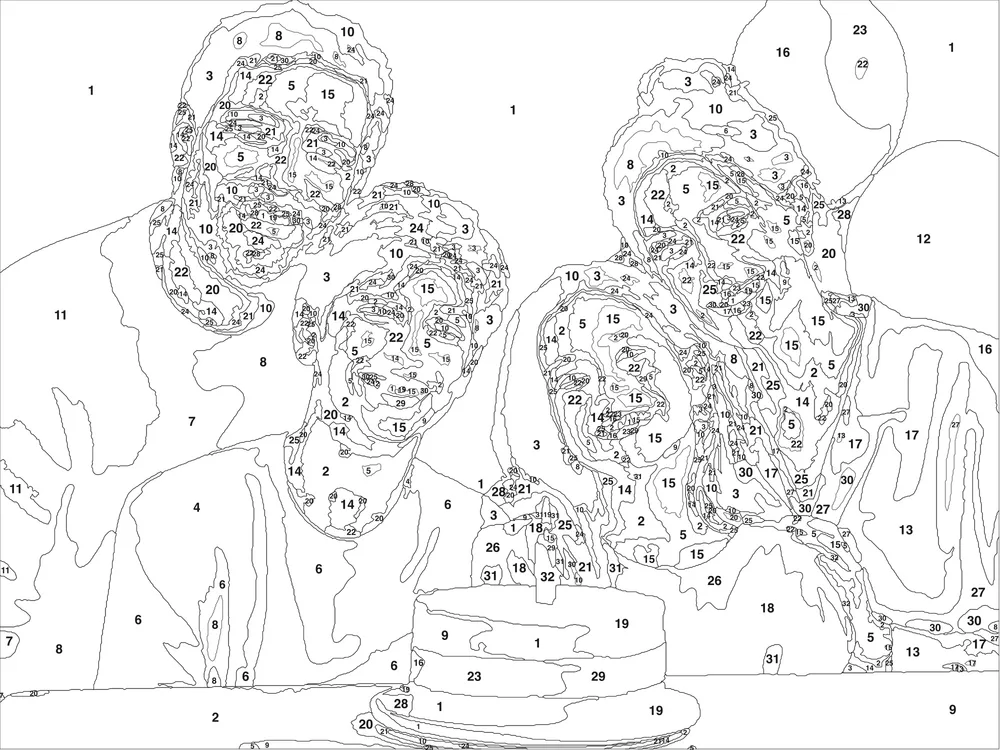
A paint-by-numbers template splits a picture into many small regions. Each region carries a number, and each number matches a color on the color chart. You fill in one region after another, and the separate patches of color gradually come together into a finished picture.
The idea is simple, but a few details decide whether the result looks clean and vibrant or patchy: your supplies, the order you paint in, and a little patience with coverage. That's what this guide is about.
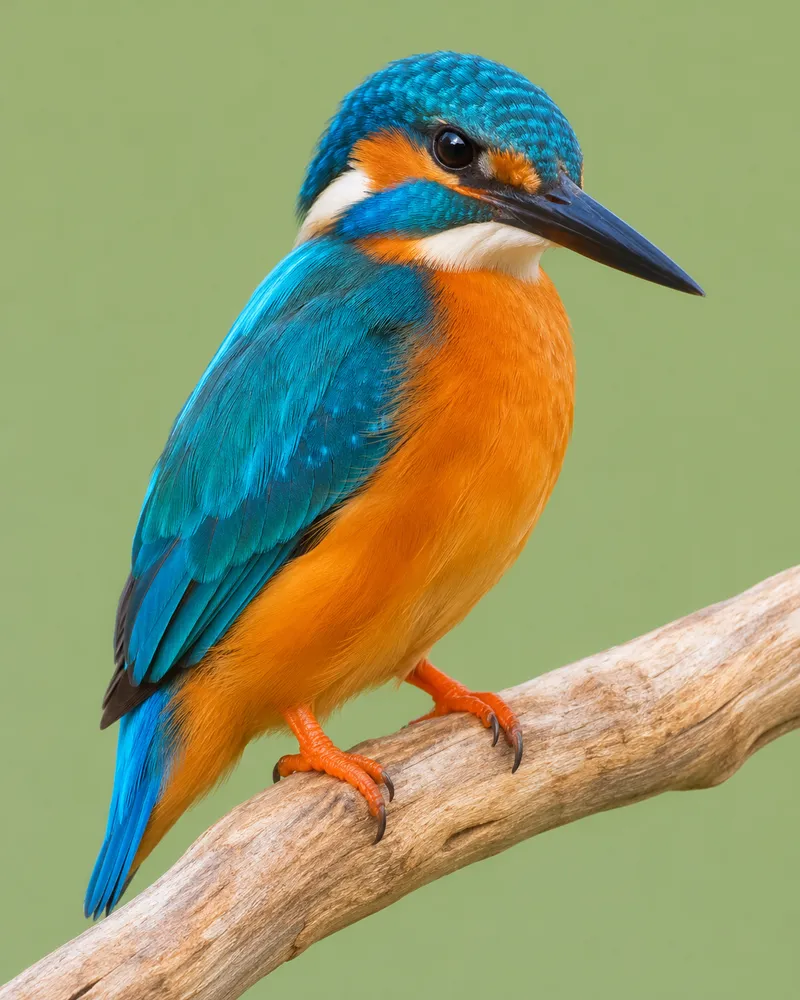
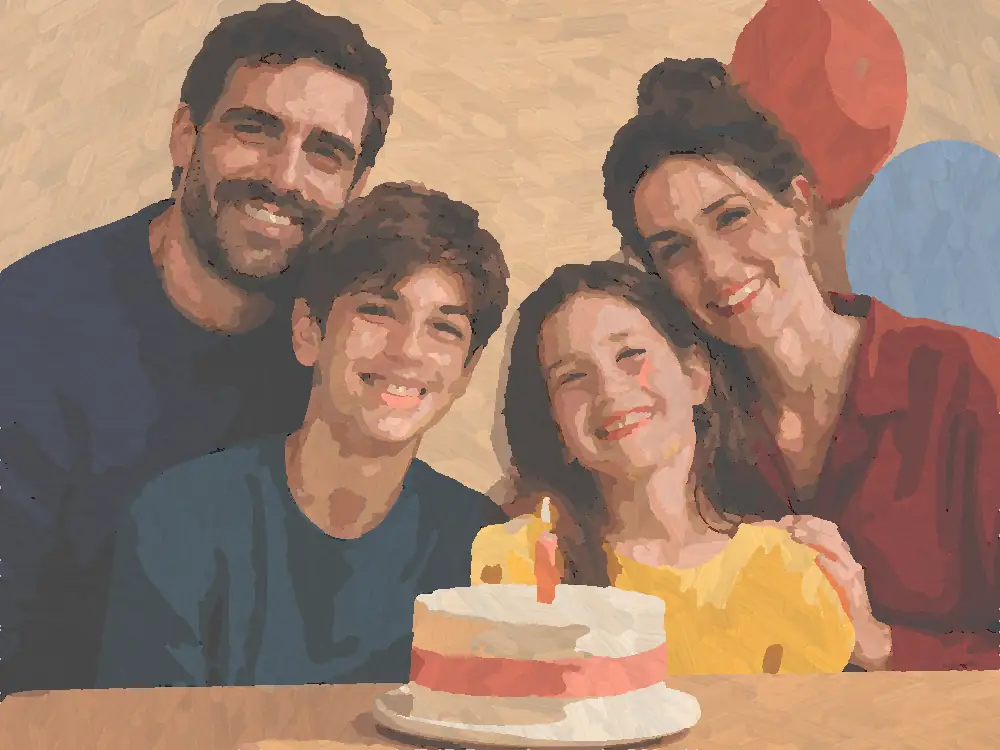
Photo, template, finished painting
These are the three stages this guide walks you through. The motifs are sample pictures – the template comes straight out of our generator, untouched. The painted version shows exactly its colour areas in a simulated painting style.
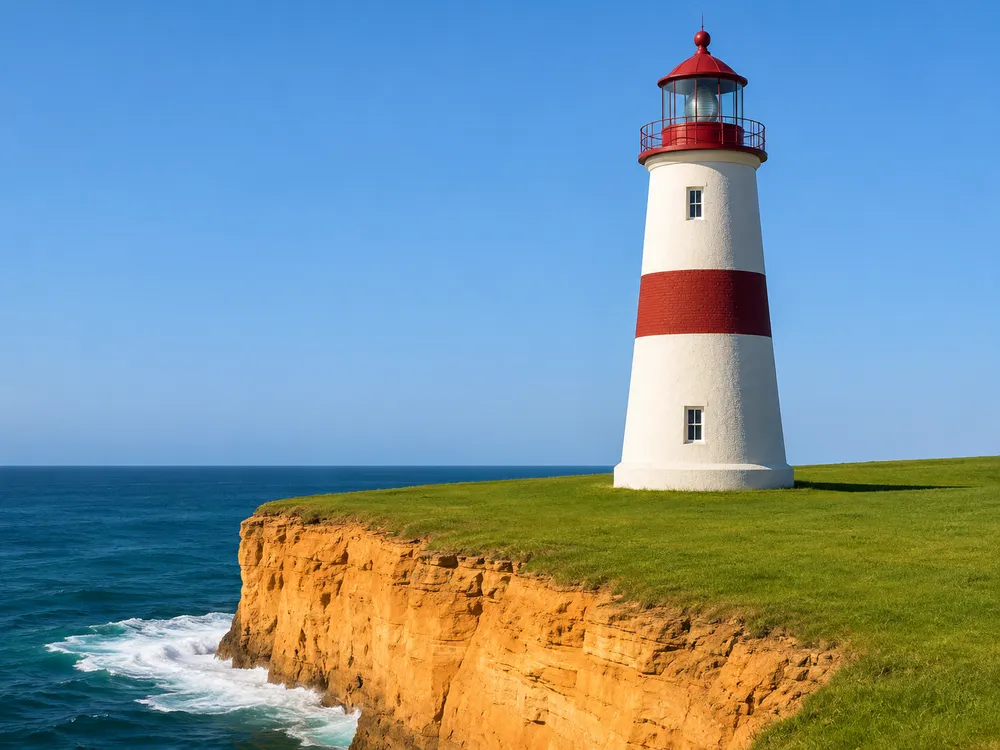
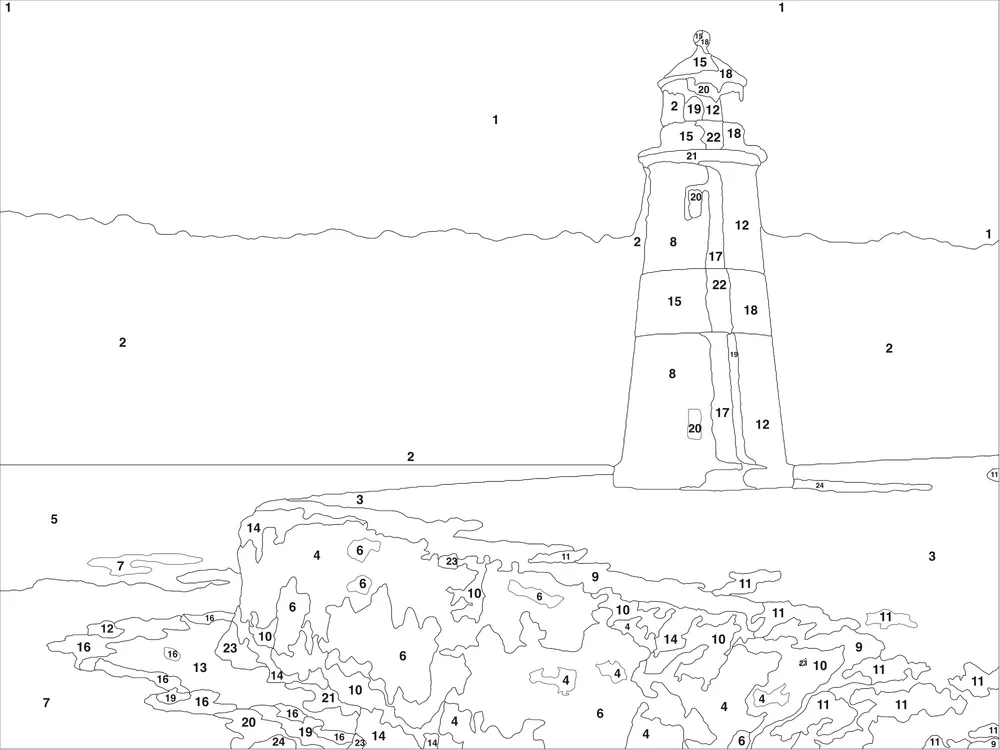
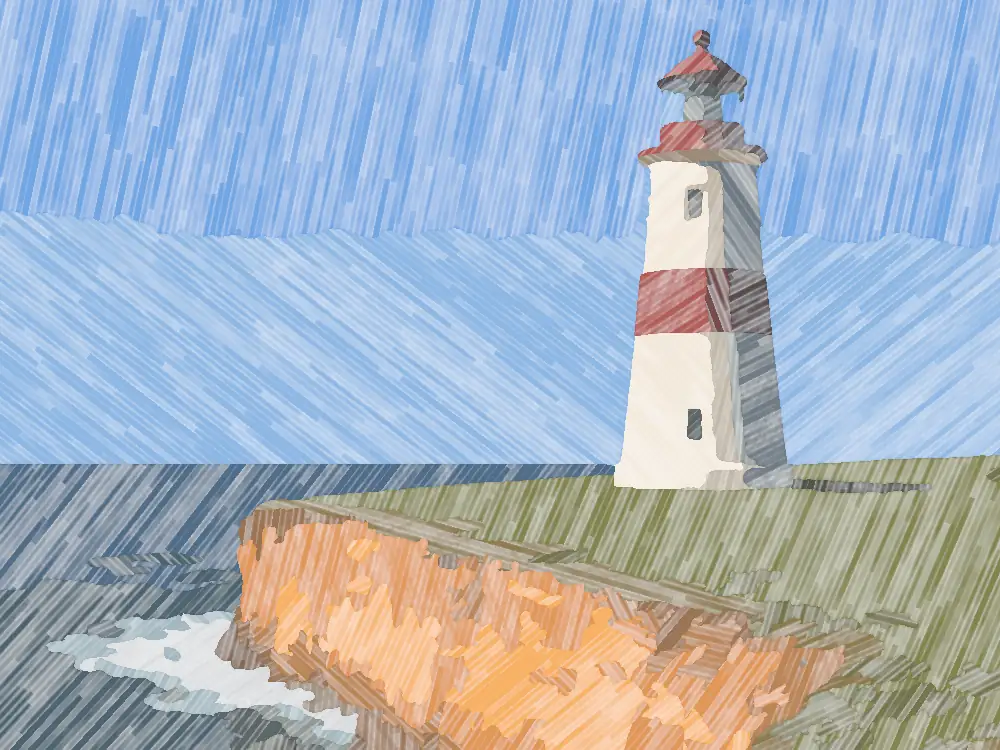
Lighthouse: Photo
Turn your own photo into a template
Paintoly turns any photo into a free paint-by-numbers template: pick how detailed it should be, keep faces recognizable and get a PDF with numbered regions, detail pages and a color chart in A4 to A0. Everything runs in your browser.
Choose a photo or drag it here
Choose photoJPG, PNG, WebP, GIF, BMP, TIFF, HEIC, up to 16 MB. Your photo stays on your device.
What's the best paint for paint by numbers?
The most important choice before you start. Here's how the common options compare:
| Medium | Pros | Cons | Best for |
|---|---|---|---|
| Acrylic paint | opaque, vibrant, dries fast, easy to mix | dries on the brush, permanent once dry | canvas, card, adults |
| Colored pencils | no mess, no drying, precise edges | slow on large areas, less coverage | A4/A3 paper, kids, travel |
| Felt-tip markers | bold colors, quick | can bleed through, streaky on big areas | kids, small formats |
| Gouache | opaque, matte, can be reworked | thin paper may buckle | heavy paper, illustrations |
| Watercolor | soft, translucent tones | won't cover the printed numbers | experienced painters, loose style |
For most projects, acrylics are the best paint for paint by numbers, especially on canvas. You don't need to buy every color on the chart: with red, yellow, blue, black and white you can mix almost any shade. The golden rule with acrylics is two thin coats rather than one thick one.
Brushes and paper
| Surface | Weight | Works with |
|---|---|---|
| Regular printer paper | 80–100 gsm (20–24 lb) | colored pencils, markers, practice |
| Heavier paper | 120–160 gsm | colored pencils, light acrylic |
| Mixed-media / card stock | 200–300 gsm | acrylic, gouache, watercolor |
| Primed canvas | – | acrylic, larger formats from A3 |
You don't need a big brush collection:
- A fine round brush (size 0 or 1) for tiny regions and edges.
- A medium round brush (size 2–4) for most areas.
- A small flat brush for large areas such as sky or background.
- Synthetic bristles are ideal for acrylics: they hold their shape, are cheap and wash out easily.
Step by step: which order to paint in
Set up
Lay the template out in good light with the color chart next to it. Have a water cup, paper towels and a mixing palette ready.
Paint one color at a time
Finish every region of one number before moving on. That way you only mix each shade once.
Add a second coat
Once dry, go over light colors again until no numbers or outlines show through.
Paint by numbers tips that make a real difference:
- Work from top to bottom (left-handers: right to left) so your hand never drags through wet paint.
- Start with dark colors: it's easier to cover small slips with lighter shades later than the other way round.
- Do large areas before small details. You'll see the picture take shape quickly, which keeps you motivated.
- Close paint pots right after use. Acrylic skins over within minutes.
- Mix custom shades in generous amounts and keep them covered so the color stays consistent.
Paint by numbers on canvas
Canvas looks more premium than paper and can be hung without glass. Here's how to get your own template onto it:
- Print the template at the size of your canvas. Print shops can handle large formats up to A0.
- Prime the canvas with gesso if needed and let it dry. Many store-bought canvases come pre-primed.
- Place graphite or transfer paper between the print and the canvas and secure both with masking tape.
- Trace every outline with a hard pencil or ballpoint pen, then write the numbers in small and light.
- Keep numbers especially faint in light-colored areas so they disappear under the paint.
Common beginner mistakes (and how to avoid them)
Numbers showing through
Light colors often need more than one coat. Let the first coat dry, then add a second thin layer.
Too much paint on the brush
Thick paint spills over edges and leaves ridges. Wipe the brush on the rim and build up in thin coats.
Dried-out paint
Close each pot when you're done with it. Slightly thickened acrylic can be revived with a few drops of water.
Starting too ambitious
For your first piece, choose “Simple” or “Medium” on A4 or A3. A very detailed template means lots of tiny regions.
Finishing: varnish and framing
Let the painting dry completely for at least a day. Acrylic paintings on canvas can then be sealed with an acrylic varnish (matte or gloss). It brings the colors back to life and protects the surface from dust and light.
Work on paper or card looks best behind glass in a frame with a mat. Stretched canvases can be hung as they are or placed in a floater frame for a gallery look.
Paint by numbers FAQ
Acrylic paint is the best choice for canvas and heavy paper because it covers well and dries quickly. On regular paper, and for kids, colored pencils or markers work well.
Many people start with dark colors and work toward the lighter ones. Even more important: paint from top to bottom so you don't smudge wet paint.
Add a second thin coat once the first one is dry. Very light shades may need a third coat.
Around 8 to 12 colors on A4 or A3 is a good start. In the paint by numbers generator that's roughly the “Simple” or “Medium” level – the generator picks the colors to suit your photo. In expert mode you can cap them at 8, 12, 18, 24 or 30.
Yes. The PDF shows every shade used in the template. With red, yellow, blue, black and white you can mix most of them. Mix enough to cover all regions of that number.
No. Paintoly runs in your browser, free, with no account and no watermark. Your photo is never uploaded to a server.
Ready for your first painting?
Create a free paint-by-numbers template from your favorite photo now.